


Tencent Video
Image Future
When I first opened Tencent Video, I approached it as a straightforward way to watch entertainment from Tencent’s video service in the United States. The app is developed by Image Future, and its focus is narrower than a general streaming toolbox: it is the official WeTV app for U.S. viewers, with Tencent Video presented as its short store description. That distinction matters because the experience depends heavily on what you expect to watch, how you normally sign in, and whether the titles you want are available in your region.
My overall impression is mixed but useful. The app can be a convenient entertainment option for viewers who already follow Tencent-related programming, especially when they want a dedicated place to browse rather than relying on scattered clips or unfamiliar third-party sources. At the same time, it is not the kind of service I would recommend blindly to everyone who wants a broad replacement for the largest mainstream streaming platforms. Its appeal is tied to its catalog and regional purpose, while some of the frustration comes from setup, account access, playback conditions, and expectations that are outside the app itself.
Where the experience usually gets stuck
The first point of friction is often deciding what Tencent Video is supposed to be in your viewing routine. I would not treat it as a universal video app that automatically covers every genre, language, or international title. I found it more sensible to begin with a specific reason for installing it: perhaps a Tencent program you already know, a particular type of Asian entertainment, or curiosity about the official WeTV experience in the U.S. Without that starting point, browsing can feel less rewarding than opening a general service with a much wider audience.
Another common stumbling block is the difference between seeing a title and being ready to watch it. A poster, search result, or description can create the impression that the whole program is immediately playable, but availability can depend on region, account state, or the way the service handles that title. I learned to treat the catalog as an invitation to check the actual playback screen, not as a guarantee that every visible item will behave identically.
Playback trouble can also be mistaken for a catalog problem. A video that pauses, fails to start, or returns to a previous screen may be affected by a temporary connection issue, an overloaded network, an outdated app session, or a device-level problem. Before deciding that the service is broken, I check whether other video apps work normally and whether the same issue appears with more than one title. That simple comparison tells me whether I am dealing with one program, the app, or my wider setup.
Related News

Why WhatsApp Messenger Still Makes Everyday Communication Feel Easy

Jurassic World: The Game Is the Better Dino Tycoon for Strategic Players

Threads in Real Life: Who Should Join, Lurk, or Leave

How SHEIN Turned Shopping Into an Endless Content Feed

How to Make Fortnite Feel Smarter on Mobile

Should You Switch to Microsoft Outlook on Mobile?
The app’s audience rating is Teen, which is a useful reminder that it is not designed as an unrestricted children’s viewing space. I would not hand it to a child and assume that the age label alone replaces supervision. Parents should still consider the specific shows being selected and how the device is shared. For adult viewers and older teenagers, the rating is less of a barrier, but it is still worth remembering when choosing content for a family screen.
What to check before blaming playback
I start with the basics: the device has a stable internet connection, the app is installed from the official store, and the operating system is behaving normally. If browsing loads but a video does not, I close the app completely and reopen it before trying more complicated fixes. I also avoid testing during a rushed moment when several downloads, calls, or other streams are competing for the same connection. These steps sound ordinary, but they separate a temporary session problem from a repeatable service issue.
Sign-in deserves its own check. I make sure I am using the same account method I originally chose instead of repeatedly attempting different credentials. If an account appears empty or behaves as though I am new, I first verify that I have not accidentally entered a different account. This is particularly important when a household shares a device, because switching accounts can make saved activity or preferences appear to have disappeared even when the service itself is working.
Gallery
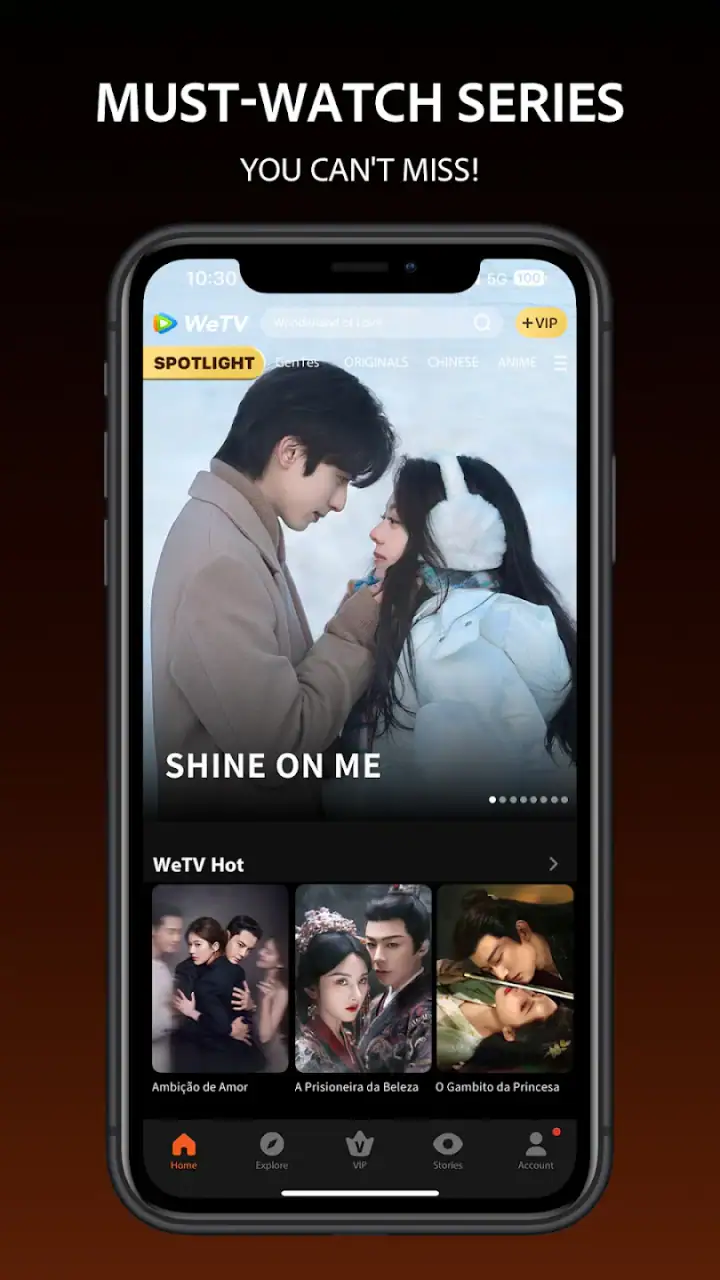
I also check the app’s own screens carefully before tapping repeatedly. A delayed response can lead to duplicate actions, repeated sign-in attempts, or an accidental purchase prompt. Tencent Video is free to install and use as an app, but it includes in-app purchases ranging from twenty-nine cents to two hundred ninety-nine dollars and ninety-nine cents per item. I would therefore slow down around any paid option, read the screen, and confirm exactly what is being offered before proceeding.
That pricing range is not a reason to avoid the app, but it is a reason to use ordinary mobile-payment caution. I keep purchase authentication enabled on the device and avoid letting someone else browse unsupervised on an account connected to a payment method. The practical lesson is simple: free installation does not mean every part of the viewing experience is automatically free, so I treat premium prompts as decisions rather than interruptions to dismiss quickly.
A setup routine that saves time
My preferred setup is deliberately small. I install the app, open it on the connection I expect to use most often, and test browsing before committing to a long viewing session. I then search for a title I genuinely want rather than judging the service from the first row of recommendations. This gives me an early answer to the questions that matter: can I find the program, can I open its detail page, and does playback begin normally?
If I am setting it up for someone else, I let that person perform the sign-in themselves whenever possible. This avoids confusion over whose account is active and makes later recovery easier. I also explain the difference between closing the app and signing out. Closing it is a quick troubleshooting step; signing out changes the account session and should be reserved for cases where the account itself appears to be the problem.
I do not judge the service after one failed launch. Instead, I repeat the test with another title and, if practical, another connection. A single failure may be a temporary content or network event. A consistent failure across several titles points toward a setup or compatibility issue. This two-title check is one of the most useful habits I developed because it prevents me from wasting time reinstalling an app when only one item is affected.
For viewers who are sensitive to mobile data use, I would also plan the viewing environment before pressing play. A stable home connection is preferable for longer sessions, while cellular viewing should be treated more cautiously. I avoid assuming that a short preview and a full episode place the same demand on a connection. If the app offers a quality choice on the playback screen, I use the lower setting when stability matters more than sharpness, rather than waiting for repeated buffering.
Recovering a broken viewing workflow
When Tencent Video stops behaving normally, I use a recovery sequence instead of trying random fixes. First, I note what failed: search, account access, a particular title, or playback in general. Then I close and reopen the app. If that changes nothing, I test another title. If the problem remains, I check the connection by opening another video service or ordinary webpage. This process gives me a useful diagnosis without requiring technical tools.
If only one title fails while other videos open, I stop treating the device as the main suspect. I return to the title page later and avoid repeating the same tap over and over. A catalog or availability issue can look like a playback crash from the viewer’s perspective, but reinstalling the app will not necessarily change how one specific program is handled. My practical response is to try again after a short break and keep the rest of the app available for titles that do work.
If every title fails, I move outward from the app. I restart the connection, check whether the device has enough free space for normal operation, and restart the device if it has been running for a long time. I then reopen Tencent Video and test again. These are safe, general steps that do not alter account information or remove personal settings, so they are the ones I prefer before considering a reinstall.
Reinstalling is a stronger reset, and I use it only after checking that I know how to sign back in. Before removing the app, I make sure I remember the account method and any details needed to restore access. Otherwise, a simple playback problem can turn into an avoidable account-recovery problem. I also understand that reinstalling may clear local session information, so I do not use it casually just because one episode refuses to start.
When an update is available through the official app store, installing it can be sensible, particularly if the problem began after a system change. I avoid downloading unofficial packages or modified versions in an attempt to fix playback. For an entertainment app connected to an account and possible purchases, staying with the official distribution route is the safer and more predictable choice.
Small workflow changes that make a difference
One useful habit is to separate discovery from watching. I browse and choose a title when I have time, then start playback only after I have settled on a reliable connection. This prevents the familiar cycle of opening several pages, launching multiple previews, and assuming the app is unstable because the network is handling too many requests at once. It also makes the service feel less cluttered because I am using search and title pages intentionally.
I also avoid judging recommendations too quickly. A service built around a particular regional catalog may require more deliberate searching than a broad platform that has learned years of viewing history from me. When I know the name of a show or actor, direct search is usually a better test than scrolling through the home screen. The trade-off is clear: Tencent Video can be worthwhile for a targeted interest, but it may feel less immediately useful when I want completely open-ended browsing.
For a shared household, I keep the viewing plan simple. I confirm which account is active, choose content suitable for the people in the room, and avoid leaving purchase screens open. If another person reports that their favorites or history are missing, I check the account before assuming the app deleted anything. This workflow is especially helpful on a family tablet, where the most common problem may be account switching rather than a software failure.
I would also give the app a fair test on the device where I actually plan to watch. A phone may handle browsing comfortably while a larger screen, older handset, or heavily used tablet behaves differently. I do not invent a universal performance promise from one successful test. Instead, I look for repeatable results on my own hardware and connection. That is more useful than relying on a single first impression.
When the app is not the cause
It is easy to blame Tencent Video when a video will not load, but the surrounding environment often deserves attention first. A weak wireless signal, a congested household network, or a device that is already struggling with several tasks can produce symptoms that look exactly like an app defect. I compare the service with another video app and try a different connection before making a final judgment.
Account confusion is another outside factor. If the app opens but shows an unexpected state, I check whether someone else has signed in, whether I used a different login method, or whether I am looking at a separate profile or session. I do not immediately clear all app information because that can remove the easiest path back into the account. A calm identity check is usually safer than a drastic reset.
Payment issues should be separated from playback issues as well. If a paid option does not complete, that does not necessarily mean ordinary free viewing is unavailable. I check the device’s store account and payment setup rather than repeatedly pressing the purchase button. Since individual in-app items can cost anywhere from twenty-nine cents to two hundred ninety-nine dollars and ninety-nine cents, I would never troubleshoot a payment failure by making repeated attempts without confirming whether a charge has already gone through.
Regional expectations can also create disappointment that looks like a technical fault. This is the official WeTV app in the U.S., so I approach it as a region-specific service rather than assuming that a title visible in conversation, a search result, or another country’s catalog must be playable where I am. If the app works normally but a desired program is unavailable, changing networks or reinstalling is unlikely to be the right answer. The better choice may be a service that legally carries that program in my location.
This is where Tencent Video compares differently with general streaming alternatives. A large all-purpose platform is usually the easier option when I want one subscription to cover many unrelated genres and familiar international releases. Tencent Video makes more sense when its particular catalog is the reason I am watching. I would choose it for focused interest, not as an automatic replacement for every service already on my phone.
Who should use it and who should skip it
I can recommend Tencent Video to viewers who have a clear interest in Tencent’s entertainment ecosystem and want the official U.S. app rather than relying on unofficial uploads. It is also a reasonable choice for someone who enjoys exploring a more focused catalog and is comfortable checking title availability instead of assuming that every search result leads directly to a full viewing session.
I would be more cautious recommending it to someone who wants a completely frictionless family service, a very broad catalog, or a single place for every kind of television and film. The Teen content rating also means I would not select it as an unsupervised children’s video solution. Viewers who dislike account setup, regional limitations, or paid-content prompts may find a familiar general platform easier to live with.
The app has reached over five hundred thousand installs and carries an average rating of 3.4 from around two thousand one hundred ratings, alongside eight hundred twenty-five written reviews. Those figures suggest a real user base but also a divided experience rather than universal approval. I read that as a reason to match the app to my viewing needs carefully, not as a simple instruction to install or avoid it.
My practical verdict after using it
Tencent Video is a free entertainment app with a specific purpose, and that specificity is both its strongest point and its main limitation. I like the idea of having an official U.S. destination for Tencent Video content, and I found the app more convincing when I arrived with a title or genre in mind. The experience is less compelling when I expect it to behave like a giant general streaming library.
My advice is to test it methodically: install it through the official store, confirm the correct account, search for a title you actually want, and test playback on the connection you normally use. If one program fails, compare it with another before reinstalling anything. If all playback fails, check the network and device first. These small checks prevent most of the unnecessary frustration I associate with setting up a new streaming app.
Keep purchase prompts in view, especially on a shared device, because the app is free to install while individual in-app items can carry substantial prices. Keep the Teen rating in mind when choosing content for younger viewers. Most importantly, judge the service by whether it delivers the particular Tencent-related viewing experience you want, not by whether it replaces every familiar alternative.
My final recommendation is conditional but positive: Tencent Video is worth trying for a focused audience that wants the official WeTV experience in the U.S. I would keep it installed if its catalog matches my interests and playback remains reliable on my device. If I mainly want broad, predictable, all-purpose streaming, I would choose a larger general service instead and use this app only when its distinctive content gives me a clear reason to return.
FAQs for Tencent Video
What is Tencent Video, and what type of content does it offer?
Tencent Video is a streaming platform offering Chinese and international entertainment, including dramas, movies, variety shows, anime, documentaries, and selected live content. Its catalog can include Tencent-produced originals, popular television series, and licensed titles. The exact selection depends on your country, language settings, licensing agreements, and the version of the app available in your region.
Is Tencent Video free to use, or does it require a subscription?
Tencent Video can be used with a free account, but free viewing is generally supported by advertisements and may provide access to fewer episodes or features. Some programs require a VIP subscription, which can offer ad-free or reduced-ad viewing, earlier episode access, higher video quality, and additional content. Pricing, benefits, and availability may vary depending on the region and platform.
Does Tencent Video provide English subtitles or other language options?
Many Tencent Video programs include English subtitles, particularly widely distributed dramas and internationally promoted productions. However, subtitles are not guaranteed for every title, and translation quality or availability may differ between episodes. Before starting a series, check the playback settings and program information to confirm whether English, Chinese, or another supported language is available.
Can I download Tencent Video programs for offline viewing?
The app may allow eligible movies and episodes to be downloaded for offline playback, which is useful when traveling or using mobile data is inconvenient. Download access can depend on the title, subscription status, device, and regional licensing restrictions. Offline files usually remain inside the application, cannot be exported, and may require periodic online verification to continue playing.
Is Tencent Video available on both Android and iOS, and are there regional restrictions?
Tencent Video is available through supported Android and iOS distribution channels, but the exact app version and catalog depend on your location. Certain features, shows, payment methods, and VIP plans may be restricted by regional licensing or account settings. It is best to download the official version from your device’s authorized app store and review permissions before signing in.
Pros
- Large library of Chinese dramas
- films
- anime
- and variety shows.
- Many titles include subtitles in multiple languages.
- Video quality options help reduce data usage on mobile networks.
- Personalized recommendations make discovering new shows easier.
- Supports offline downloads for watching without an internet connection.
Cons
- Much of the catalog is region-restricted and unavailable in some countries.
- Free viewing may include frequent advertisements and promotional interruptions.
- Some popular content requires a VIP subscription to access.
- Interface translations can be incomplete or inconsistent in places.
- Download availability and quality may vary between individual titles.


